[startup journey]
[May 2, 2026]
[4 min read]

Technology has never been more powerful.
We can generate content instantly, talk to AI systems naturally, and access endless information from devices small enough to fit into our pockets. Yet despite all this progress, most technology still feels strangely unnatural to use.
Not because it lacks intelligence.
But because it still struggles to understand humans.
The problem is no longer computational power. The problem is interaction.
Humans Do Not Think Like Software
Most digital systems are built around structure:
menus
commands
workflows
categories
Human thinking is nothing like that.
Thoughts appear randomly.
Ideas overlap.
People pause mid sentence.
We remember things at inconvenient moments and forget important details seconds later.
Yet most interfaces still expect:perfect input → perfect output
That expectation creates friction everywhere.
“Technology becomes exhausting when humans constantly need to adapt themselves to machines.”
The Hidden Cost of Everyday Friction
Most modern workflows are fragmented across dozens of tools.
Action | Usually Happens In |
|---|---|
Messaging | Chat apps |
Writing | Notes apps |
Planning | Task managers |
Searching | Browsers |
Rewriting | AI tools |
Every switch interrupts focus.
Individually these moments feel small. Together they slowly break concentration throughout the day.
The issue is not efficiency anymore.
It is cognitive overload.
Why Voice Interfaces Still Feel Incomplete
Voice technology has improved significantly, but most systems still treat speech as transcription instead of communication.
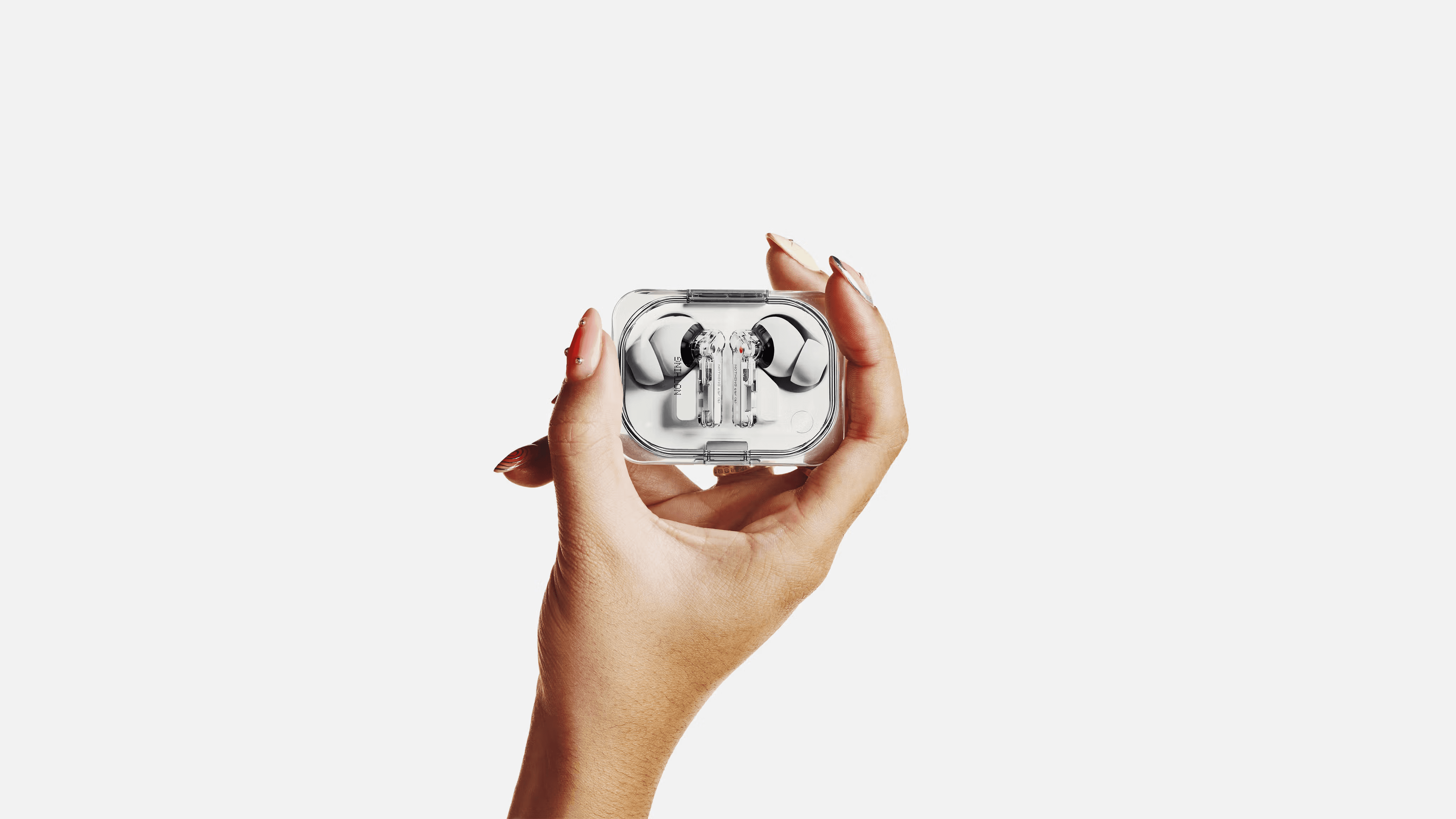
Real conversations are messy.
People:
whisper
pause
rethink sentences
speak emotionally
change direction while talking
Most voice systems still fail when communication stops being perfectly structured.
A truly human interface would focus less on recognizing words and more on understanding intention.
Most Voice Systems Still Require:
manual cleanup afterward
perfect pronunciation
quiet environments
repeated corrections
That breaks the feeling of natural interaction.
Interfaces Were Designed Around Applications
Most software assumes humans think in apps.
But nobody thinks:
“I should open my productivity software.”
People think:
“I need to remember this.”
“I should reply quickly.”
“This idea feels important.”
Human intent is fluid.
Modern interfaces are rigid.
That mismatch explains why many tools feel functional but never truly intuitive.
The Shift Toward Context-Aware Systems
The future may move away from isolated applications entirely.
Instead of switching between separate systems for:
notes
communication
memory
planning
creativity
future interfaces may support all of them together through shared context.
This is already starting to happen through:
AI assistants
memory systems
contextual search
adaptive interfaces
Projects like epigraph and project mnemosyne are early examples of systems trying to reduce the distance between thought and execution.
You can also see similar shifts happening across products like:
The common pattern is clear:
less navigation, more understanding.
“The best interfaces are often the ones people stop noticing completely.”
Human-Centered Systems May Prioritize Different Things
Traditional Software | Human-Centered Systems |
|---|---|
Commands | Intent |
Apps | Context |
Features | Flow |
Manual organization | Automatic understanding |
Sessions | Persistent memory |
The goal is not replacing human thinking.
The goal is reducing friction between thought and action.
Invisible Interfaces Will Matter More
The best experiences rarely feel complicated.
You stop thinking about:
where buttons are
which app to open
how information is organized
The interface quietly fades into the background.
This may become one of the most important design challenges of the next decade:
creating systems intelligent enough to support humans without constantly interrupting them.
Final Thoughts
For years, humans have adapted themselves to software.
Perhaps the next generation of technology will finally reverse that relationship.
The future may belong to systems that:
understand context naturally
preserve mental flow
reduce cognitive overhead
feel less like software and more like thought itself
And maybe that is what truly human technology was supposed to become all along.
at antimattr, we build machines and technology to express, create and amplify; inspired by those who chose greatness over ordinary