[thesis]
[November 01, 2026]
[4 min read]
Most of the industry is retrofitting. Take a chatbot, put it in a new shell – a pin, a pendant, a pair of glasses – and call it the future.
We've already seen how that goes. Humane's AI Pin was discontinued less than a year after it shipped, and HP picked up what was left for $116 million, less than half of what the company had raised.
The problem wasn't the hardware. It was the idea that a chat box in a new form factor is a new kind of computing. It isn't. Real change needs us to rethink from the ground up and go beyond the chat box.
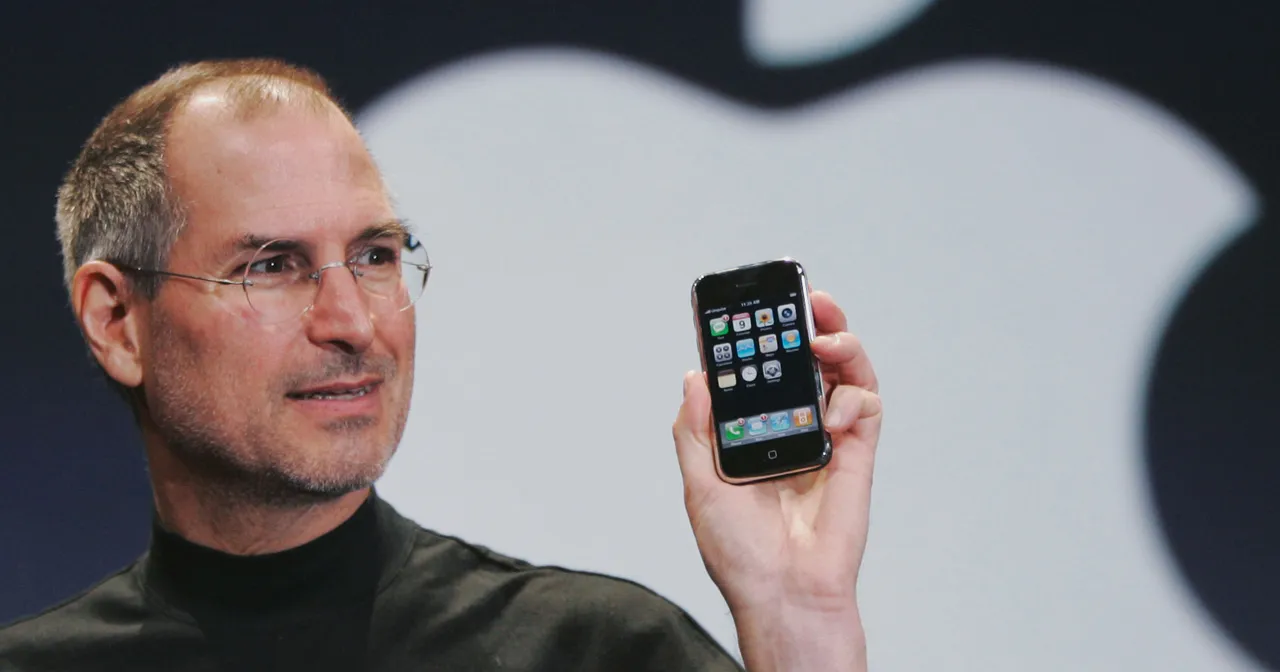
A lot of people call this AI's iPhone moment. We don't think it is.
it's the PC moment
For decades, IBM sold mainframes – room-sized machines for governments, universities and large companies. That business worked fine. But individuals needed computing built for them, and that's what actually changed the world.
It didn't start with everyone, either. Before 1981, owning a personal computer made little sense unless you were a devoted hobbyist – someone who wanted to build and run their own machine. Those people were the first market. The IBM PC came later and carried the idea into every office, then every home.
AI is in its mainframe phase right now. The most capable agents live in someone else's data center, built for enterprises and rented by the token. That works. But it isn't personal yet.
the iPhone came last
There's something else people forget about the iPhone moment: Apple didn't start there. By the time the iPhone shipped in 2007, Apple was already a multi-billion-dollar company. In the last three months of 2005 alone, it brought in $5.75 billion – and roughly half of that came from a single device, the iPod.
The iPod did one thing: music. The Mac was a tool for designers and creative professionals. These were focused, almost niche devices for people who cared deeply about one job. The iPhone was the generalist device, and it worked because Apple had spent years earning trust with focused products first.
AI interfaces should start the same way. Not everything for everyone, but one job done extremely well for the people who need it every day.
where we start?
There are already around 10 million people who build and run their own agents. They're today's hobbyists. And right now they talk to their agents through a keyboard, a chat window, or earbuds that can't really hear them.
So our first step is building the interface for them: earphones and a ring that let you talk to, check on and steer your agents from anywhere.
The natural next step is the next 100 million people. For them, we're thinking about a private computer that stays in your home, holds all your data and helps you build and run your own agents. Personal computing, rebuilt for agents.
This isn't the iPhone moment. It's the PC moment – and we're still in the garage.

[you might also like]


at antimattr, we are inspired by those who chose greatness over ordinary and project mnemosyne is our first step towards that - voice computers to unlock more, so that you can focus on things that truly matters
[unveils Q4-2026]